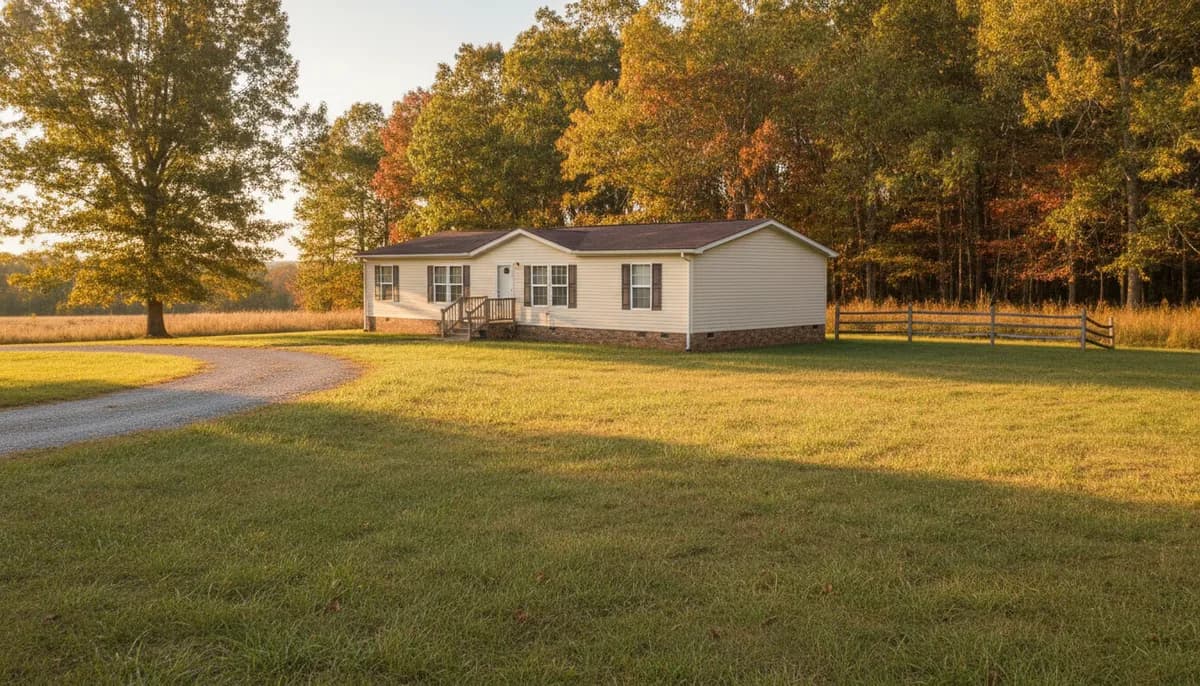
If you own both a manufactured home and the land it sits on, Virginia gives you a way to merge them legally. The home stops being a titled vehicle and becomes part of the real estate.
The upside is real: a converted home on owned land can be financed with a conventional, FHA, VA or USDA loan, which opens it to a much larger group of buyers than a titled home can reach. The downside is that it is close to permanent and it binds the home to that parcel.
The process itself is laid out in Code of Virginia section 46.2-653.1. Here is what it actually involves.
Before you start: the two conditions
Two things have to be true.
You must own the land. The statute requires the affidavit to state that the owner of the manufactured home also owns the real property the home is placed on. If you rent your lot, this process is not available to you.
There can be no unreleased security interest. DMV will not cancel the title if a security interest is recorded on it and has not been released by the secured party. This is the single most common reason a conversion stalls, and we will come back to it.
Step one: surrender the title to DMV
The owner follows DMV's procedure for surrender of title. On compliance, DMV rescinds and cancels the Virginia title.
Two things to understand about this step. First, it is a real cancellation, not a suspension. Second, it is the step that creates risk if you stop halfway, because you now have a home with no title and no recorded affixation. Do not begin unless you intend to finish.
Virginia DMV publishes guidance covering what happens after a manufactured home has been titled in the state. Confirm the current forms and procedure directly with DMV before filing, since form numbers and requirements change.
Step two: file the affidavit of affixation with the circuit court
Once DMV confirms the title has been surrendered and canceled, the owner files a sworn affidavit of affixation with the circuit court of the locality where the real property is located.
The statute is specific about what that affidavit contains:
- The manufacturer of the home, and the model name if applicable.
- The vehicle identification number and serial number.
- The legal description of the real property the home is placed on, including the property address, and a statement that the owner of the home also owns that real property.
- A certification that there are no security interests in the manufactured home that have not been released by the secured party.
- The owner's statement that the title has been surrendered and canceled by DMV, and that the home is intended to be a permanent fixture and improvement to the land.
What happens after filing
On filing the affidavit, the manufactured home is deemed to be real estate. From that point it is conveyed and encumbered only as real estate is conveyed and encumbered.
In practice that means:
- One deed transfers home and land together.
- A lender can secure a mortgage against the whole property.
- The home is assessed as part of the real estate rather than as separate personal property.
- There is no title to sign over, because there is no longer a title.
The lien that was paid off fifteen years ago
This is where most conversions die, and it is worth describing precisely because it is so fixable if caught early.
An owner financed the home in 2004. They paid it off in 2011. They have the payoff letter somewhere. As far as they are concerned there is no lien.
But the lender never filed the release with DMV, so the security interest is still recorded on the title. DMV sees an active lien and will not cancel. The conversion cannot proceed, and neither can a sale to a buyer who needs financing.
Clearing it means obtaining a formal release from the secured party. That is straightforward when the lender still exists under the same name. It is considerably harder when the original lender was acquired, merged, renamed, or wound up, which is common for manufactured housing lenders from the 1990s and 2000s.
Pull your title and read the lien section now, well before you need it. If there is an unreleased security interest on a loan you have paid, start tracking down the release while you are under no time pressure at all.
Should you convert?
Conversion is not automatically the right move.
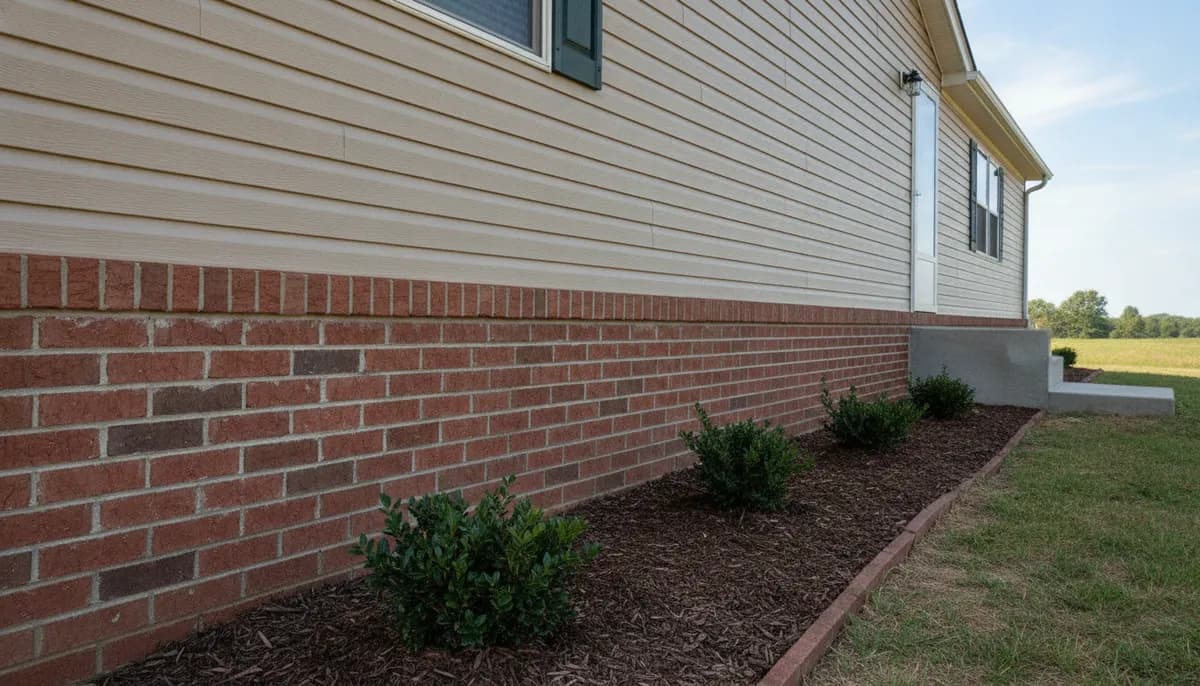
It usually helps if: you own the land, the home is on a permanent foundation, you intend the home to stay where it is, and you want the widest possible buyer pool when you eventually sell.
It usually does not help if: there is any realistic chance the home should be moved, the land and home might be sold to different parties, or the home's condition means it is worth less than the cost and effort of the conversion.
Once the home is real estate, separating it again is not a simple reversal.
If you are converting in order to sell
Give yourself time. Between confirming the lien status, completing the DMV surrender, and getting the affidavit recorded, this is not a one-week process. Starting it after you already have a buyer under contract puts the sale on a clock you do not control.
If the timeline is the problem, there is another path. We buy manufactured homes in Virginia in both categories, titled and converted, so a pending conversion is not a barrier to selling. Tell us about your home and we can tell you whether converting first is worth it in your case or not.
This article is general information about Virginia law and is not legal advice. Section 46.2-653.1 contains provisions not summarized here. Consult a Virginia real estate attorney, your circuit court clerk, or Virginia DMV before starting the process.