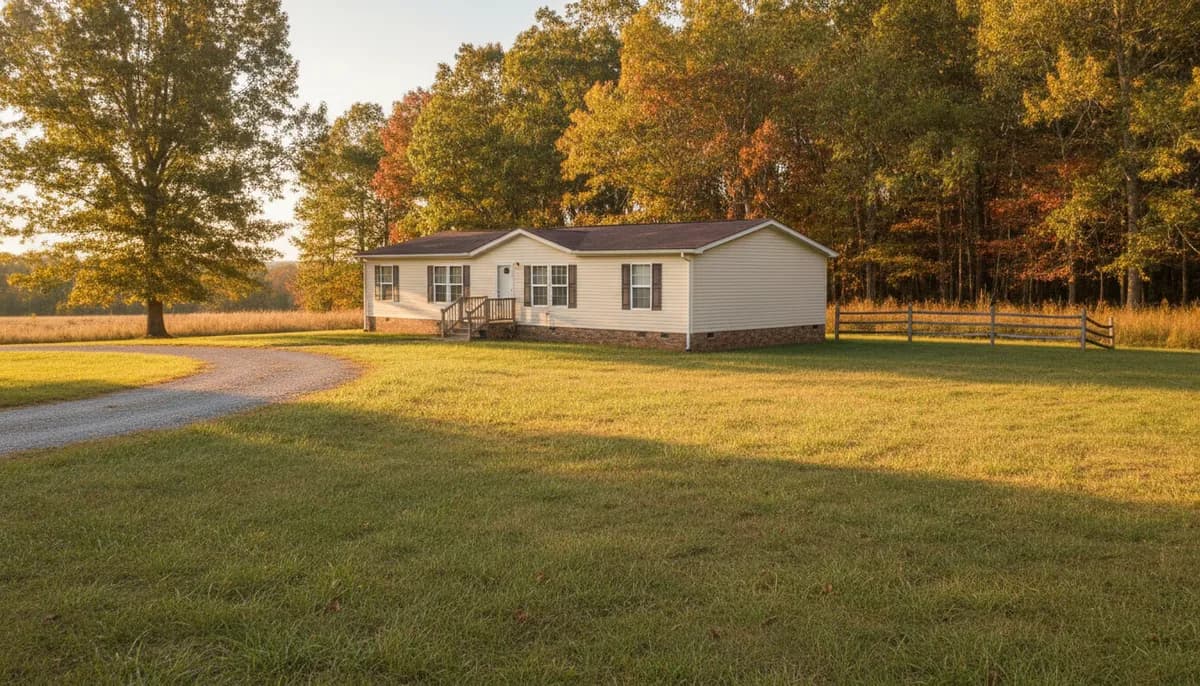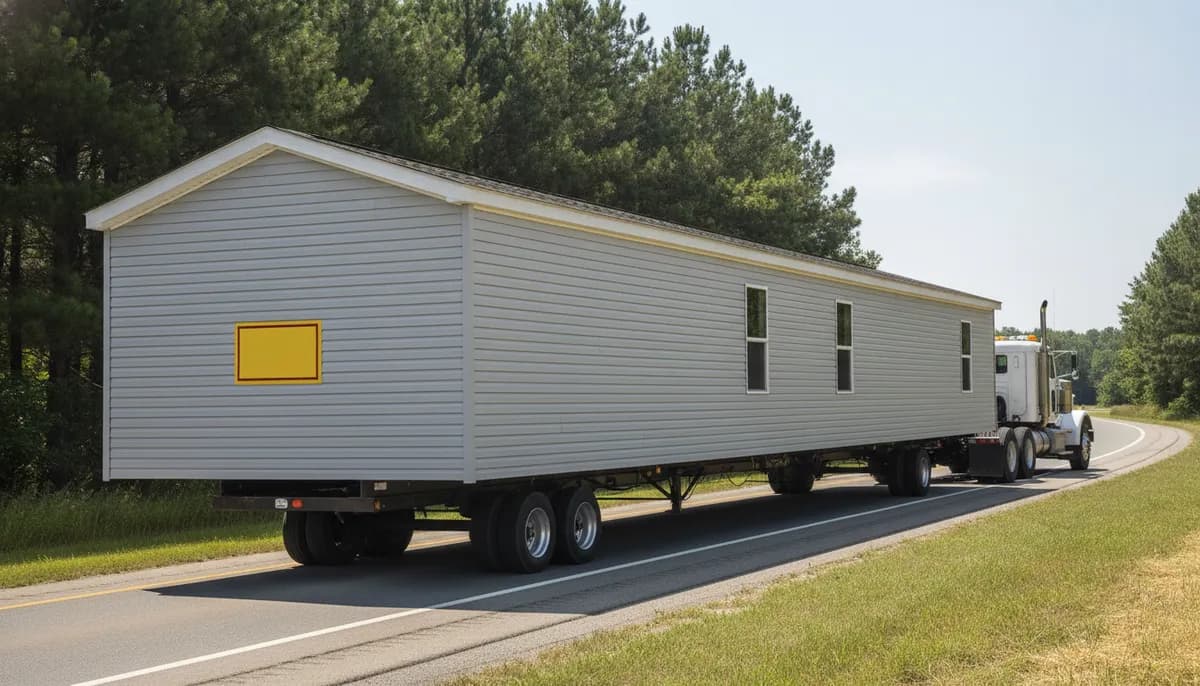
People tend to picture moving a manufactured home as an expensive tow. It is not really a tow. It is a permitted oversize transport job involving a licensed hauler, state hauling permits, route approval, possible escort vehicles, a disconnect crew on one end and a setup crew on the other.
Understanding the pieces is what lets you judge whether it is worth doing at all. For a lot of older homes, it is not, and that answer is worth reaching before you spend money finding out.
The move is five jobs, not one
Disconnect and prep. Skirting comes off. The home is disconnected from water, sewer, power and gas. Anything attached after delivery, decks, porches, carports, add-on rooms, has to come off or be demolished. Axles, wheels and a hitch have to be reinstalled if they were removed, and on older homes they frequently were.
The permit and the route. Oversize loads on Virginia roads require a hauling permit, and the permit is route-specific. The route has to clear bridges, overpasses, tight turns and weight restrictions. A direct line on a map is not necessarily a legal route, and a longer approved route costs more. Permitting is administered by the Virginia Department of Motor Vehicles rather than by VDOT, and requirements depend on the load's dimensions. This catches people out, because the roads are VDOT's and the permits are not.
The haul itself. A licensed transporter with the right equipment. Wider loads may require escort or pilot vehicles, and in some cases law enforcement escort. Travel is generally restricted to daylight and to certain days.
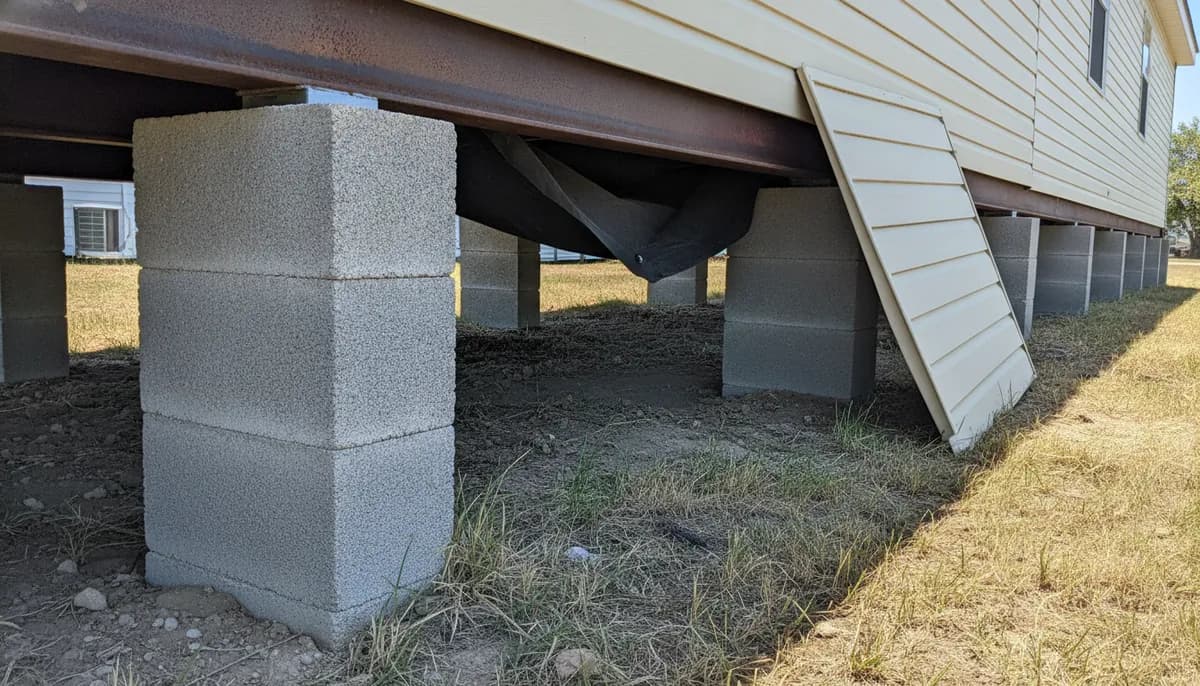
Set and level on the new site. Blocking, piers, leveling, tie-downs and anchoring to whatever the new location requires. If the home is going onto a permanent foundation, that is its own construction job.
Reconnect. Water, sewer or septic, power, gas. Possibly a new septic system and permits if the land was not previously developed. Skirting goes back on. Anything you demolished on the old site gets rebuilt or does not.
A "move" quote that only covers the haul is quoting one of five jobs.
What drives the cost
Rather than quote figures that go stale, here is what actually moves the number:
- Single-wide versus double-wide or triple-wide. A multi-section home is multiple permitted loads, multiple hauls, and a marriage-line reassembly at the far end. It is not double the cost of a single-wide. It is usually more.
- Distance, but less than people assume. The fixed costs on either end are heavy. A short local move is not cheap, and doubling the distance rarely doubles the total.
- Route difficulty. Rural Virginia has bridges and roads that oversize loads cannot use. A route that adds sixty miles to stay legal adds cost.
- Age and condition. Older homes are more fragile in transit. Some haulers will not take pre-1976 homes at all, and some destinations will not accept them.
- The destination. Vacant land with no utilities means well, septic, power drop and permits before the home can be occupied. That can exceed the move itself.
The pre-1976 problem
Manufactured homes built before 15 June 1976 predate the federal HUD Code. They are usually described as mobile homes rather than manufactured homes, and the distinction is not cosmetic.
Many communities will not accept a pre-HUD home. Many lenders will not finance one. Some jurisdictions restrict placement. Haulers are often unwilling to move them because the structure may not survive the trip intact.
If your home was built before mid-1976, confirm that a destination will actually accept it before spending anything on a move.
The honest break-even
Here is the reasoning that matters, and it is uncomfortable for a lot of owners.
Take the realistic present value of the home where it stands, in its current condition. Then add up the full five-job cost of relocating it, plus site preparation at the destination. Then ask what the home would be worth at the new location once it is set up.
For a well-maintained newer double-wide going onto land you already own with utilities in place, moving can make sense.
For a 1985 single-wide with a soft floor and an aging roof, the total cost of relocating it commonly exceeds what the home will be worth when it arrives. You can spend more than the asset is worth and still own an old home, now with transport stress added to it.
That is the situation where selling in place, or selling to someone who will deal with removal, is the better financial outcome even though it feels like giving something up.
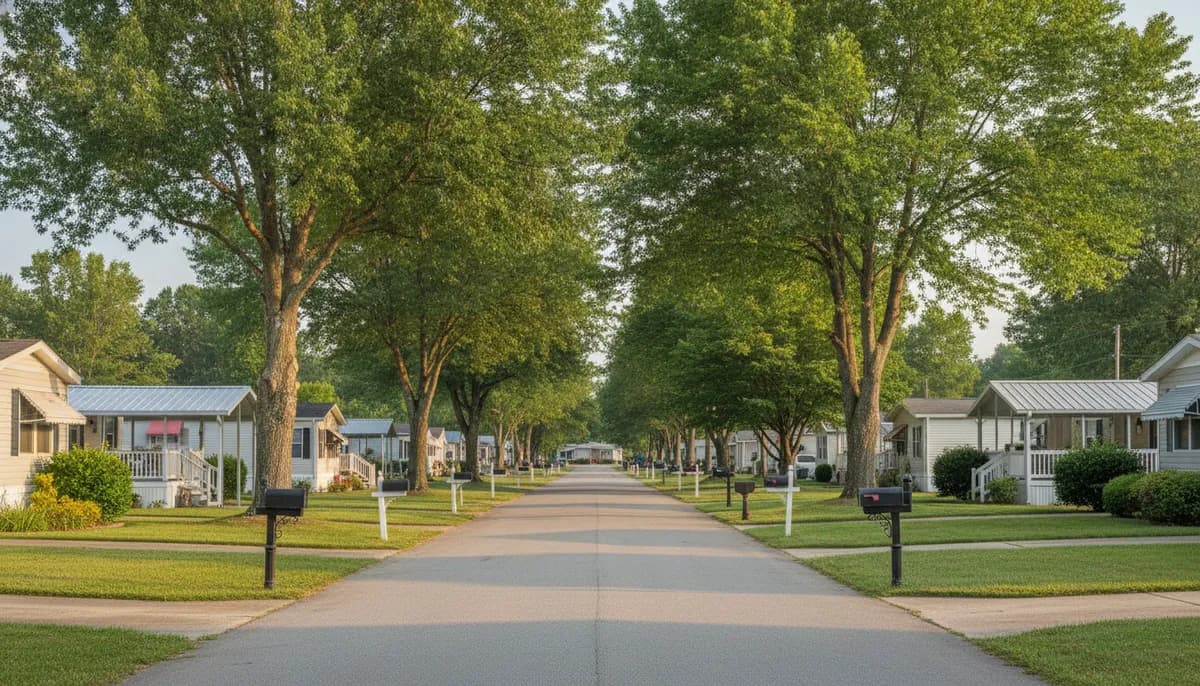
If the home is in a community and you are being asked to move it
This comes up when a park closes, redevelops, or declines to renew a tenancy.
Two things to get clear immediately. First, what your lease and Virginia's Manufactured Home Lot Rental Act actually require of the park in that situation, including notice. Second, whether any relocation assistance exists in your circumstances.
Do not agree to a timeline before you know whether moving is even feasible for your specific home. An owner who commits to relocating and then discovers no hauler will take the home is in a much worse position than one who established that first.
The alternative most owners do not consider
You are not obligated to move a home just because it needs to leave.
Selling it to a buyer who takes on the removal, or selling it where it stands to a buyer the community will approve, both avoid the entire five-job process. Neither gets you the number you would get for a home on owned land, but both are frequently better than paying to relocate an asset that will not be worth the relocation.
We buy manufactured homes across Virginia, including homes that need to be moved and homes that are not worth moving. If you are weighing a relocation, send us the details and we will give you a straight read on whether the move pencils out. If it does, we will tell you that too.
This article is general information. Permit requirements, escort rules and local placement restrictions vary and change. Confirm current requirements with Virginia DMV, your licensed transporter, and the receiving locality before making decisions.
Sources: Virginia DMV, Hauling Permits; HUD Manufactured Housing Program