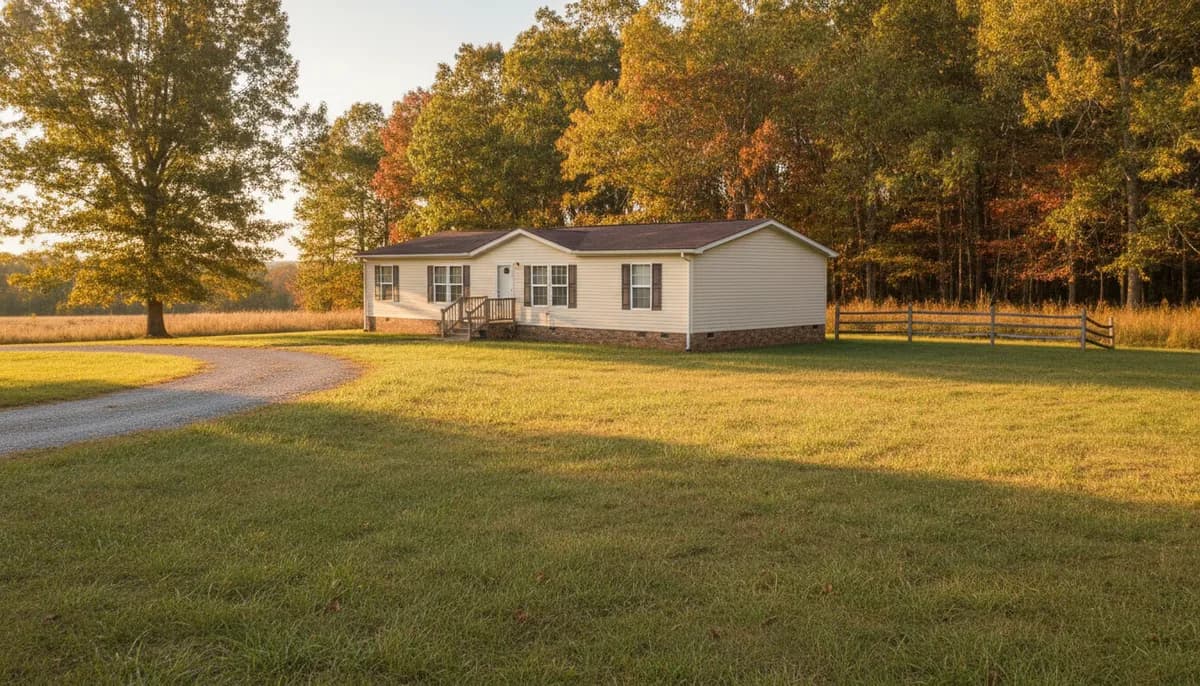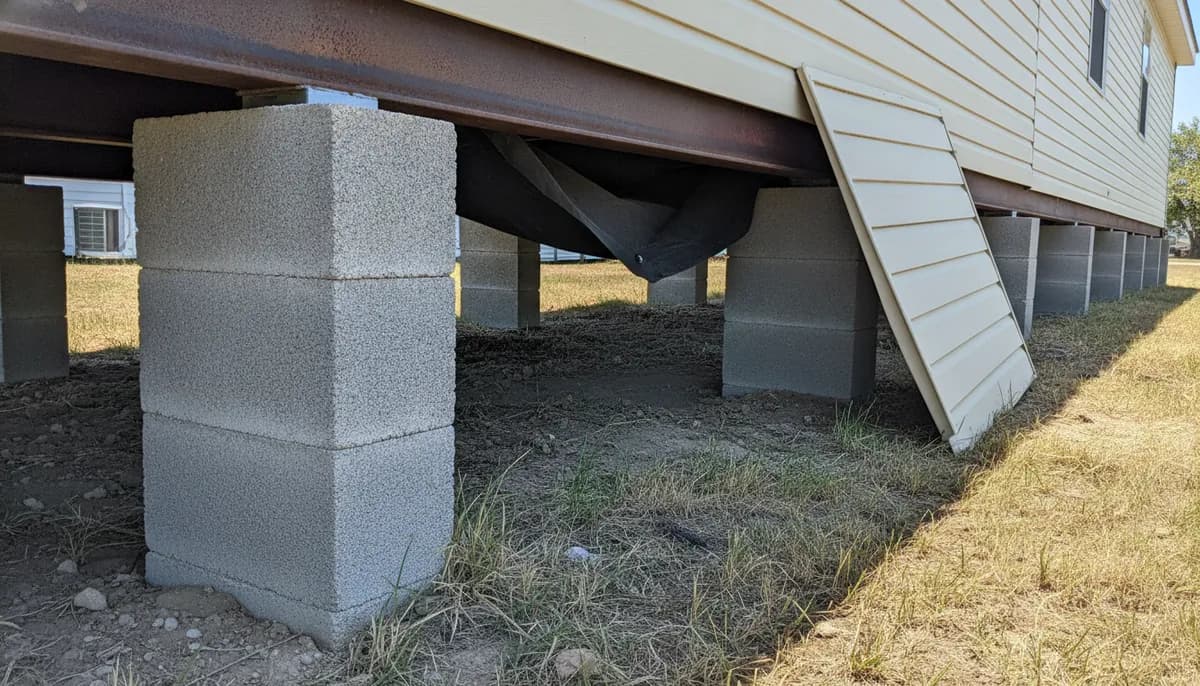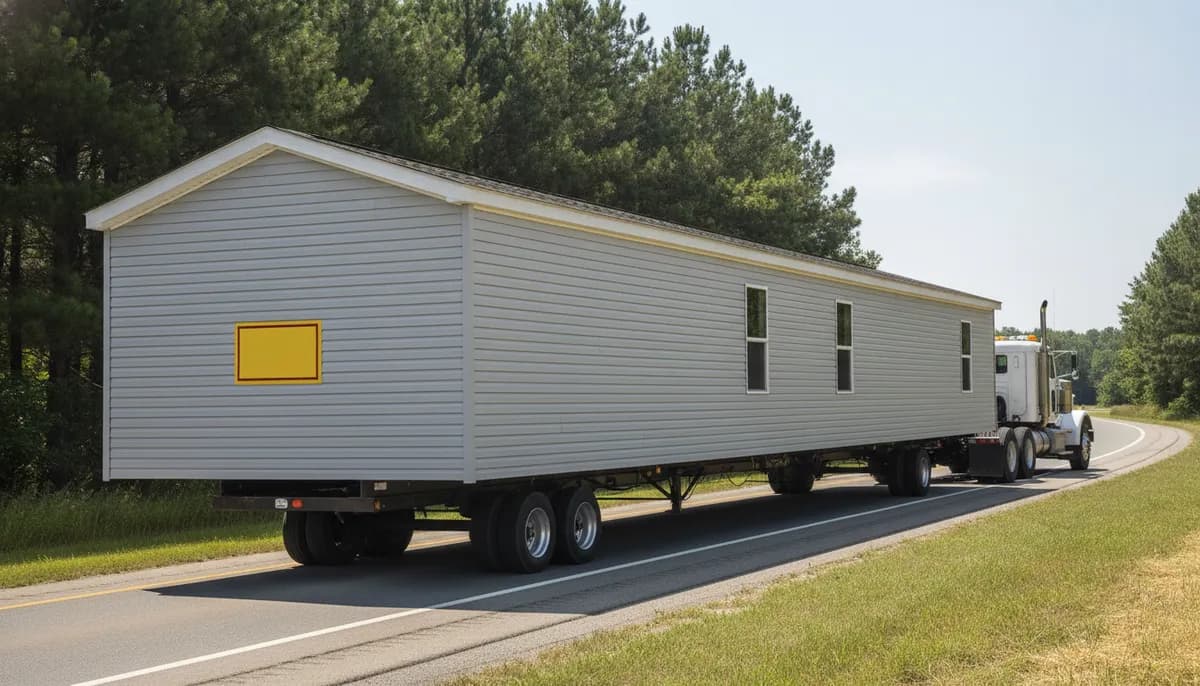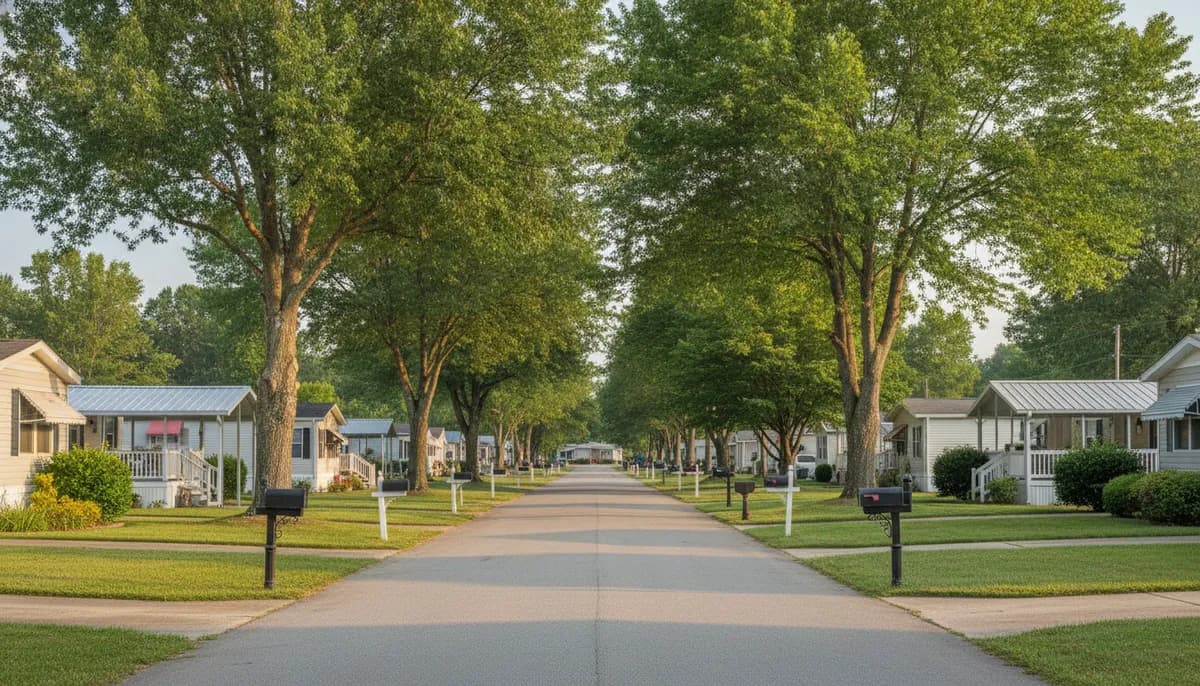
If you own your manufactured home but rent the land underneath it, you are in a split arrangement that ordinary landlord-tenant law was never designed for. You own an asset you cannot move cheaply, sitting on land you do not control.
Virginia addresses this with a dedicated chapter of the Code: the Manufactured Home Lot Rental Act, at section 55.1-1300 and following.
Most residents have never read it. It is worth knowing what it does and does not do, especially if you are thinking about selling.
Which parks it covers
The Act applies to manufactured home parks where five or more manufactured homes sit on a continual, non-recreational basis.
That threshold matters. A small private arrangement where a landowner rents out two or three lots generally falls outside this chapter, though other parts of Virginia landlord-tenant law may still apply. If you are in a large commercial community, you are almost certainly covered.
How it fits with the rest of Virginia landlord-tenant law
The Act is not a standalone code. It contains its own sections and it also pulls in a set of provisions from the Virginia Residential Landlord and Tenant Act, which apply only to the extent they do not conflict with the manufactured housing chapter.
The practical effect is that you have two layers to consider: the manufactured-housing-specific rules, and the general residential tenancy rules that carry over. When they disagree, the manufactured housing chapter governs.
What the park is required to provide
A few obligations are worth knowing in specific terms.
Reasonable access to utilities. The landlord must provide reasonable access to electric, water and sewage disposal connections for each manufactured home lot.
Advance notice of planned utility disruption. When a service interruption is planned rather than an emergency, the landlord must give written notice to tenants no less than 48 hours before the disruption.
A copy of your lease and a statement of your rights. Under section 55.1-1303, the landlord must give the tenant a copy of any written rental agreement together with the statement of tenant rights and responsibilities within 10 business days of the effective date of the written rental agreement. Both parties also sign a form acknowledging that the tenant received that statement. Virginia's Department of Housing and Community Development publishes the current statement and related forms on its landlord and tenant resources page.
If you have never been handed either document, that is worth raising.
Park rules and how they can change
Parks run on written rules covering everything from exterior storage to pets to guest parking. Those rules are enforceable, but not unconditionally.
Rules should be provided in writing, typically at lease signing. Changes generally require advance notice to tenants before they take effect, and rules are expected to be reasonable and applied consistently across the community rather than selectively.
"Applied equally" is the provision residents most often have grounds to raise. A rule enforced against one household and ignored for the rest is a different situation from a rule enforced across the community.
Where the Act stops, and what that means for sellers
This is the part that matters most if you are trying to sell.
The Act governs the tenancy relationship. It does not guarantee you a buyer, it does not cap what the park can charge over time in the way some states do, and it does not remove the park's role in approving who takes over the lot.
That last point is the one that surprises sellers. You own your home outright and you can sell it to whomever you like. But the buyer needs a lot to put it on. If they intend to leave the home where it is, they need to be accepted as a tenant by the park under the park's own application process. A buyer with cash in hand who cannot pass the park's tenancy screening cannot complete the purchase in place.
This is why park-sited sales fall apart more often than sales on owned land. There are effectively two approvals: yours and the park's.
Practical things worth doing before you sell
Get a current copy of the park rules and your lease. Buyers will ask. Not having them slows everything down.
Ask the park about their buyer application process in writing. What do they screen for, how long does it take, and are there fees? Knowing this up front lets you set expectations with a buyer rather than discovering a problem after you have shaken hands.
Confirm your account is current. Outstanding lot rent typically has to be resolved at or before closing. It is better to know the exact figure early.
Ask whether the park has any right of first refusal or transfer restriction in your lease. Not every Virginia lease has one, but where it exists it changes your timeline.
If you would rather not deal with any of it
Selling a home that sits on rented land involves a party who is not you and not your buyer, and who has no particular deadline. Some owners work through it. Others would rather not.
We buy manufactured homes across Virginia, including homes sited in parks, and we handle the park coordination as part of the process. If you want to know what that looks like for your situation, tell us about your home and we will walk you through it.
This article is general information about Virginia law and is not legal advice. The Manufactured Home Lot Rental Act contains provisions not summarized here, and how it applies depends on your specific lease and circumstances. For advice on your situation, consult a Virginia attorney or contact Virginia DHCD.
Sources: Code of Virginia, Title 55.1 Chapter 13, Manufactured Home Lot Rental Act; Virginia DHCD, Statement of Tenant Rights and Responsibilities