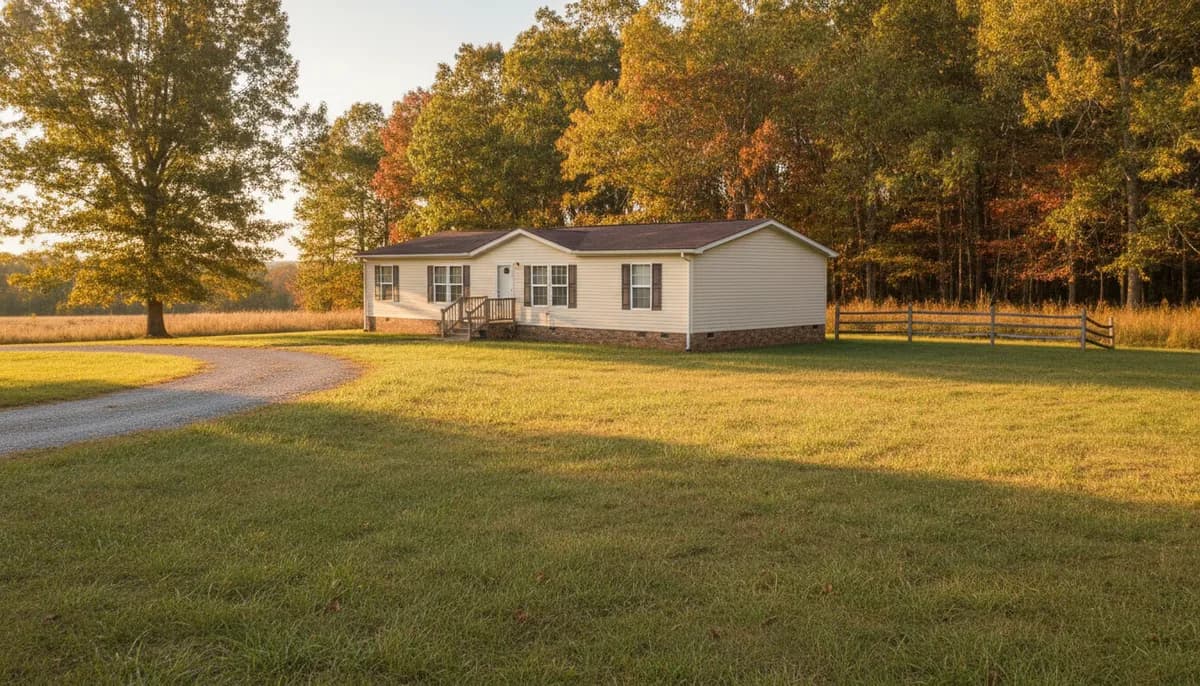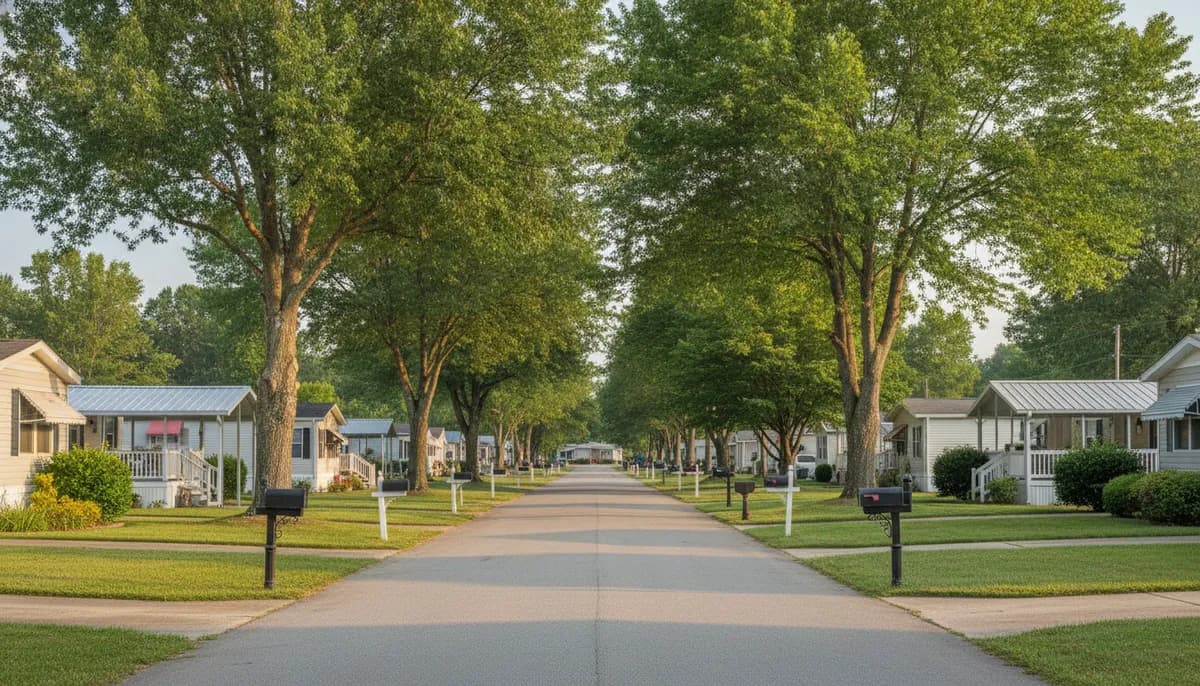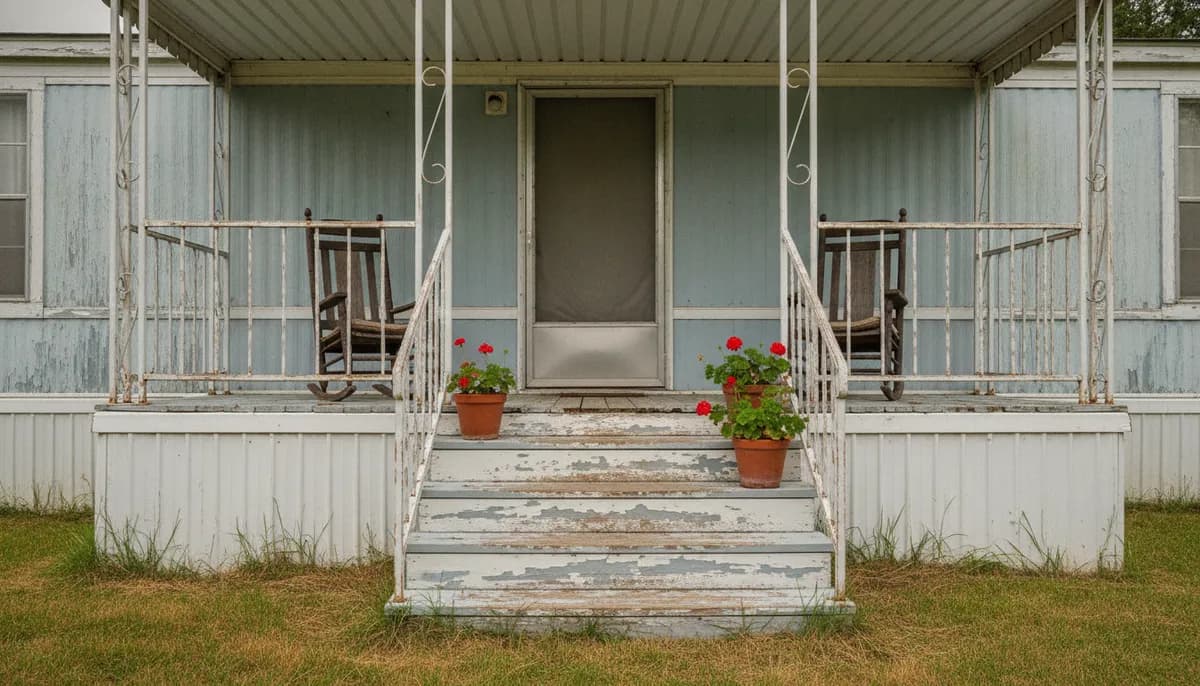
Inheriting a manufactured home is rarely a windfall and often a set of obligations that started accruing the day the previous owner died.
The home needs insurance. If it sits on a rented lot, lot rent keeps coming due. Property or personal property taxes keep accruing. Pipes freeze in unoccupied homes. Meanwhile the one thing you cannot do quickly is sell it, because you cannot sell what you do not yet have legal authority to sell.
Here is the order it actually has to happen in.
First: establish whether it is titled or real property
This determines everything downstream, so it is the first question, not a later one.
If the home was converted to real property under Virginia's affixation process, it passes as part of the real estate and is handled through the estate the way a house would be.
If the home is still titled through DMV as personal property, it is estate personal property, handled separately from any land, and transferred by title rather than by deed.
A surprising number of estates contain a home where the family assumed one and the records say the other. Check the tax bill and look for a DMV title before making any plans. Our guide on telling the difference walks through the checks.
Second: establish who has authority to sell
Nobody can transfer the home until someone has legal authority to act for the estate. In Virginia that authority typically comes from qualification as executor or administrator through the circuit court clerk in the locality where the decedent lived.
What that involves depends on the size and structure of the estate, whether there was a will, and whether the assets qualify for any simplified procedure. Virginia's court system publishes general guidance on estate administration, and the circuit court clerk's office can explain the local process, though clerks cannot give legal advice.
The practical point for selling: a buyer's closing agent will want to see documented authority. A family agreement, however unanimous, is not that.
Third: find the paperwork
For a titled home you will be looking for:
- The DMV title, ideally in the decedent's name.
- Any lien information, including releases for loans that were paid off.
- The lot lease, if the home is in a community.
- Recent tax bills.
- Insurance policy details.
For a converted home, you are looking at the deed and the recorded affidavit of affixation instead.
The missing title is common. So is the title in a name that does not match current records because of a marriage, divorce or a prior informal sale that never transferred properly. Both are solvable and both take time, which is the argument for starting early.
The lot rent problem nobody warns families about
If the home sits on a rented lot in a community, this is the part that creates genuine urgency.
Lot rent does not pause for probate. The community is owed rent for the lot whether or not anyone is living in the home and whether or not anyone yet has authority to sell it. Months can pass while an estate is qualified, and the arrears accumulate against a home that is not generating anything.
Worse, arrears usually have to be cleared at or before any sale, which comes directly out of what the family nets.
Two things to do immediately, before the estate is sorted:
Contact the community in writing. Tell them the owner has died and that the estate is being administered. Ask what they require and whether they will hold the lot. Some communities are accommodating when they know what is happening. None of them respond well to silence and unpaid rent.
Read the lease for transfer and tenancy terms. A buyer who wants to keep the home in place will need the community's approval as a tenant. The Manufactured Home Lot Rental Act governs the tenancy relationship, but it does not oblige the community to approve any particular buyer.
Fourth: decide what to actually do with it
Once authority is established and the paperwork is located, there are realistically three paths.
Keep it. Only worth considering if someone will occupy it or it can be rented in a community that permits subleasing, which many do not.
List it. Reasonable for a home in good condition, particularly one on owned land that has been converted to real property. Expect the sale to take time, and expect condition issues to come up in inspection.
Sell it as-is to a cash buyer. Faster, fewer contingencies, and no repairs. The tradeoff is price. This tends to make the most sense when the home needs work, when the estate is carrying holding costs, or when heirs are in different places and want it resolved.
There is no universally right answer. The right answer depends on the home's condition, whether the land is owned, and how much the estate is spending each month to keep waiting.
Where families lose money
The pattern we see most often is not a bad decision. It is a slow one.
Six months of lot rent, taxes, insurance and utilities on an empty home is money that comes straight off what the heirs eventually receive. Meanwhile an unoccupied manufactured home deteriorates faster than an occupied one, particularly through a winter.
The costly mistake is waiting for the paperwork to resolve itself before doing anything. Start the estate qualification early, contact the community early, and find out early what the home is actually worth in its current condition.
If you want a number before you decide
Knowing what the home is realistically worth as-is makes every other decision easier, including whether it is worth repairing or listing.
We buy manufactured homes across Virginia, including inherited homes, homes in communities, and homes with title complications. We can usually tell you what we would pay and what would need to be cleared before a sale could close. Send us the details and we will give you a straight answer, including when the answer is that you would do better listing it.
This article is general information about Virginia estate and titling procedure. It is not legal advice, and estate administration depends heavily on individual circumstances. Consult a Virginia attorney or your circuit court clerk's office.
Sources: Virginia's Judicial System, Circuit Courts; Code of Virginia section 46.2-653.1